Tuesday, 21 October 2014

Spellbound

bound by or as if by a spell; enchanted, entranced, or fascinated:


Changing of  season makes going to the bush or on a game drive so much more interesting, appreciate also the small things & time is not on your side


Birding

First sighting of the Pin-tailed Whydah at Xombana for this season on Sunday 19 October 2014. They are resident birds that move locally with the season.

On Sunday's sunset game drive we sighted a Klaas's Cuckoo/Meitjie.

So many returning calls to the bushveld hours of fun identifying those sounds.

At Xombana we took our first photo of the Yellow-fronted Canary only about 11-13cm  in size.

Yellow-fronted Canary

Mammals & other

We were fortunate again to find two lionesses behind the Xombana dam and this sighting delayed the morning chores as the chatter around the cofi table (coffee) lasted much longer than normally.


The cubs are very vulnerable when the lioness goes out to hunt and needs to leave the cubs behind.


 Lionesses on the prowl


It is fascinating to live so close to nature and wildlife and if you are blessed with a life in a city then you have the opportunity to appreciate nature when you visit one of the many conservancies in our country. Even more fortunate are you when you call Pretoria or Johannesburg home because the Dinokeng Game Reserve is only a stones throw away from these hubs.

Thursday, 16 October 2014

Raindrops

Normally October is the time of year when our rainy season starts.


We had 1mm of rain on the 9th of October and another drizzle with no reading on the 11th.

Then some more droplets on 15 October also not measured but a few drops at least some of the dust has settled down and there is a fresh rainy smell in the air.....

and guess what.....

we heard the first call from the Piet-my-vrou at 5:30 this morning, 16 October 2014.

Believed to be calling the rain, lets keep our fingers crossed that it will come soon.

Warthog playful in the drizzle


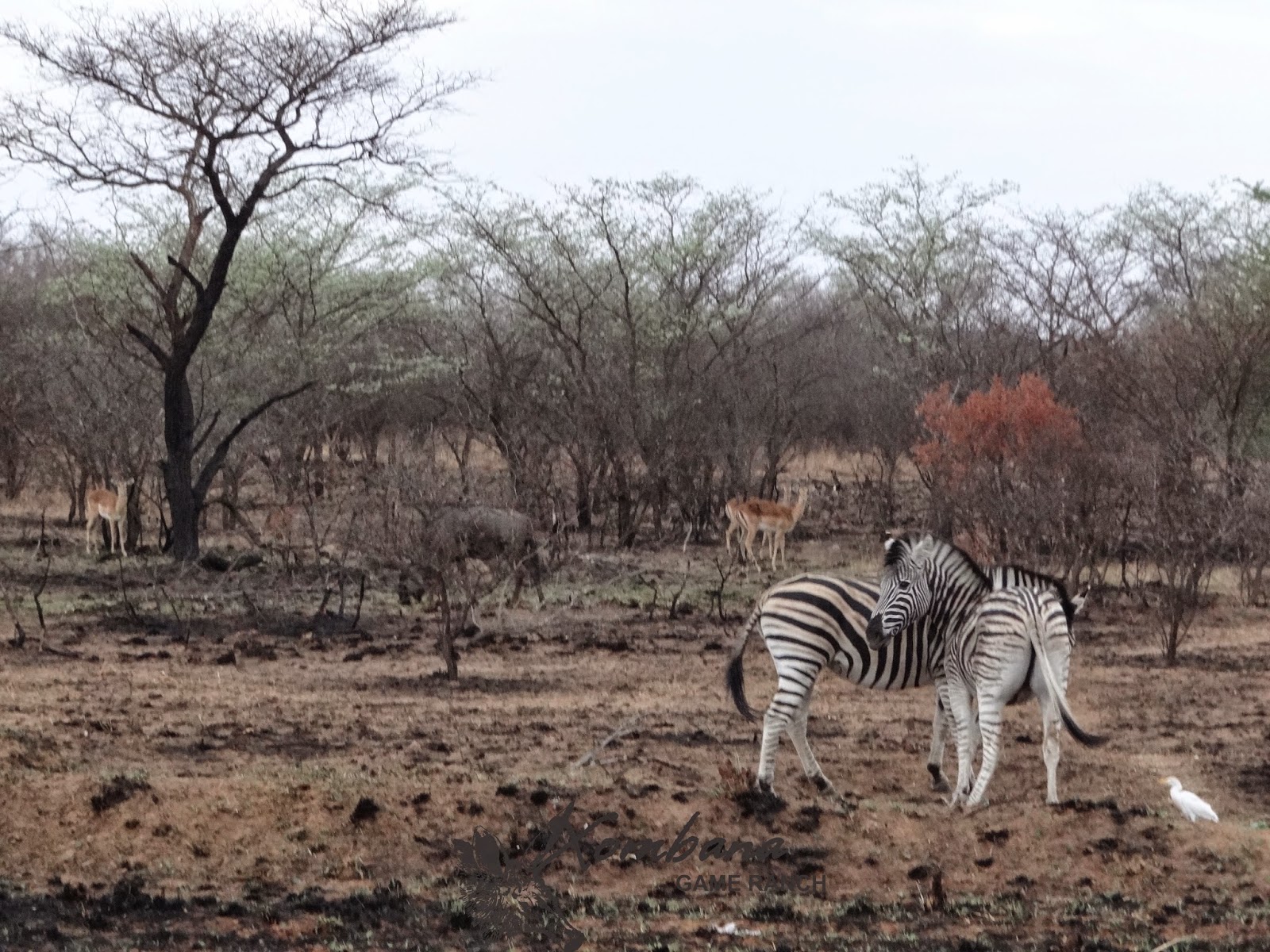
Impala, Wildebeest & Zebra collection in the drizzle
Overcast cool and smelling the rain


Monday, 13 October 2014

Beautiful October

Beautiful build up of Charlie Bravo Clouds behind the Xombana Theatre


We are still experiencing very hot days with cloud activity. Promises of rain almost daily makes you super excited as the bright sky turns into a dull grey of overcast, and although some areas had good downpours we are desperate for the first real storm.

Had 1mm of rain on Thursday the 9th of October and the feeling of rain on your face makes you feel like a child again.. The sound of  thunder  and the smell of wet soil made us all excited.

Crested Barbet courtship and mating


While we all sit in anticipation there are lots of activity around us nesting, laying breeding and mommies with bellies

Hatched egg
Giraffe mommy to be

Groundscraper Thrush chick last summers Xombana stock photo


  Some lapwing chicks have been sighted on some game drives during the last three weeks

Is there something in that belly?

We noticed this Spotted Thick-knee nest one afternoon on a game drive and hope to get photo's as soon as the eggs hatch.


Nature's amazing camouflage

 
...the weather is changing again...
 
cloud build up...
the wind is blowing, it is a little overcast
Who knows what it will do....

Returning to summer


New Beginnings - New Live
looking around and finding lots of nests big and small


Grey-go-away bird on a nest
During the last couple of months of a year and the first couple of month of the next the new additions in the animal kingdom reminds one just how precious life is and the animal young sightings everywhere is a good source of endless cuteness.

But before we get there we can see many changes all around

dull to green
cold to warmer
dry to wet
wallows filling up with water
blossoms

returning species breeding in the warmer hemispheres
Swallows returning to their old nests

nesting
Collecting material for the nest

growing bellies

little calves
Nyala and her calf
Once you start looking around you again realize how precious life is, how sensitive our environment is and just how important it is to create conservation awareness!


Monday, 22 September 2014

World Rhino Day

22 September 2014

5th Annual World Rhino Day


Today the whole world is celebrating the beautiful Rhinoceros 5 species
White Rhino
Black Rhino
Greater one horned Rhino
Sumatran Rhino
Javan Rhino
Read more here : http://www.savetherhino.org/rhino_info/species_of_rhino.

EXTINCTION is 4EVER!
Two species of rhino in Asia– Javan and Sumatran – are Critically Endangered. A subspecies of the Javan rhino was declared extinct in Vietnam in 2011. A small population of the Javan rhino still clings for survival on the Indonesian island of Java. Successful conservation efforts have helped the third Asian species, the greater one-horned (or Indian) rhino, to increase in number. Their status was changed from Endangered to Vulnerable, but the species is still poached for its horn.

In Africa, Southern white rhinos, once thought to be extinct, now thrive in protected sanctuaries and are classified as Near Threatened. But the Northern white rhino subspecies is believed to be extinct in the wild and only a few captive individuals remain in a sanctuary in Kenya. Black rhinos have doubled in number over the past two decades from their low point of 2,480 individuals, but total numbers are still a fraction of the estimated 100,000 that existed in the early part of the 20th century.
Source : http://www.worldwildlife.org/species/rhino

White Rhino with her calf


A Crash of Rhino
Rhino STATUS:
Rhinos don't clash just with other animals or objects; sometimes they fight with each other. Males often battle over territory and females. Even courting males and females sometimes fight one another. Black rhinos use the bigger of the two horns on their noses as weapons in a fight.  Black rhinoceroses have a sort of attack-first-and-ask-questions-later attitude. When a rhino catches the scent of a human or anything else unfamiliar, it is likely to charge. Rhinos can't see well, so they sometimes charge objects like trees and rocks, mistaking them as threats. But rhinos have keen senses of smell and hearing.


Rhino Endangered
Rhino DESCRIPTION:
There are five species of rhinos � two African and three Asian. The African species are the white and black rhinos. Both species have two horns. Asian rhinos include the Indian and the Javan, each with one horn, and the Sumatran, which has two.

Rhino SIZE:
The white rhino is the second largest land mammal next to the elephant. The five species range in weight from 750 pounds to 8,000 pounds and stand anywhere from four and a half to six feet tall.

Rhino POPULATION:
Black Rhino (Diceros bicornis): 2,400       
White Rhino (Ceratotherium simum): 7,500
Sumatran Rhino (Dicerorhinus sumatrensis): 400
Javan Rhino (Rhinoceros sondaicus): fewer than 100
Indian Rhino (Rhinoceros unicornis): more than 2,000
Rhino LIFESPAN:
Biologists estimate that wild rhinos live up to 35 years. In captivity, a rhino may live 40 years.

Rhino RANGE:
Rhinos are found in parts of Africa and Asia.

Rhino HABITAT:
Rhino habitat ranges from savannas to dense forests in tropical and subtropical regions.

Rhino FOOD:
Rhinos are herbivores, meaning they eat only plants. White rhinos, with their square-shaped lips, are ideally suited to graze on grass. Other rhinos prefer to eat the foliage of trees or bushes.

Rhino BEHAVIOR:
As solitary creatures, both male and female rhinos establish territories. Males mark and defend their territories. Rhinos use their horns not only in battles for territory or females but also to defend themselves from lions, tigers and hyenas.

Rhino OFFSPRING:
Males and females frequently fight during courtship, sometimes leading to serious wounds inflicted by their horns. After mating, the pair go their separate ways. A calf is born 14 to 18 months later. Although they nurse for a year, calves are able to begin eating vegetation one week after birth.

Rhino THREATS:
Rhinos rank among the most endangered species on Earth. Valued for their horns, they face a serious threat from poaching. Some cultures believe that the powdered rhino horn will cure everything from fever to food poisoning and will enhance sexual stamina.


Rhino PROTECTION:
*Convention on International Trade in Endangered Species of Wild Fauna and Flora, an international treaty with more than 144 member countries. Appendix I listed species cannot be traded commercially. Appendix II listed species can be traded commercially only if trade does not harm their survival.

Source : http://animalfacts-pictures.blogspot.com/2011/10/rhinoceros.html

Monday, 1 September 2014

Spring has Sprung or has it...??

... and as we expected just when we thought we had the last of the winter cold another cold front arrived in the Cape Province. At Xombana we had a cool -1, yes minus one degree Celsius, start to the day. It did not quite warm up and the wind icy ice cold!

Today is Spring Day and I must admit must be the warmest 1st of September in a long time!

Nature is showing it is ready for a new season and the first Swallows arrived, sightings from Tuesday, 26 August 2014.

A lifer for myself and a 1st sighting of a Red-breasted Swallow at Xombana on Saturday.


There are much excitement amongst our feathered residents .....
must be Spring fever!

We can't wait for the return of other summer visitors and the first sighting of Woodlands Kingfisher.

Wednesday, 27 August 2014

New beginnings not on a calendar but in the form of LIFE. Young / baby Animals

At the beginning of a new year everybody is energized refreshed and ready for new beginning. In nature wildlife babies are in abundance. From early November to early January many species give birth and it is always such a pleasure to see these little ones. It made me think of beginnings and endings and the cause of nature. I share a few photos of baby animals photographed at Xombana Game Ranch situated in the Dinokeng Game Reserve. Gauteng's first big 5 game reserve.
Warthog piglet at the waterhole

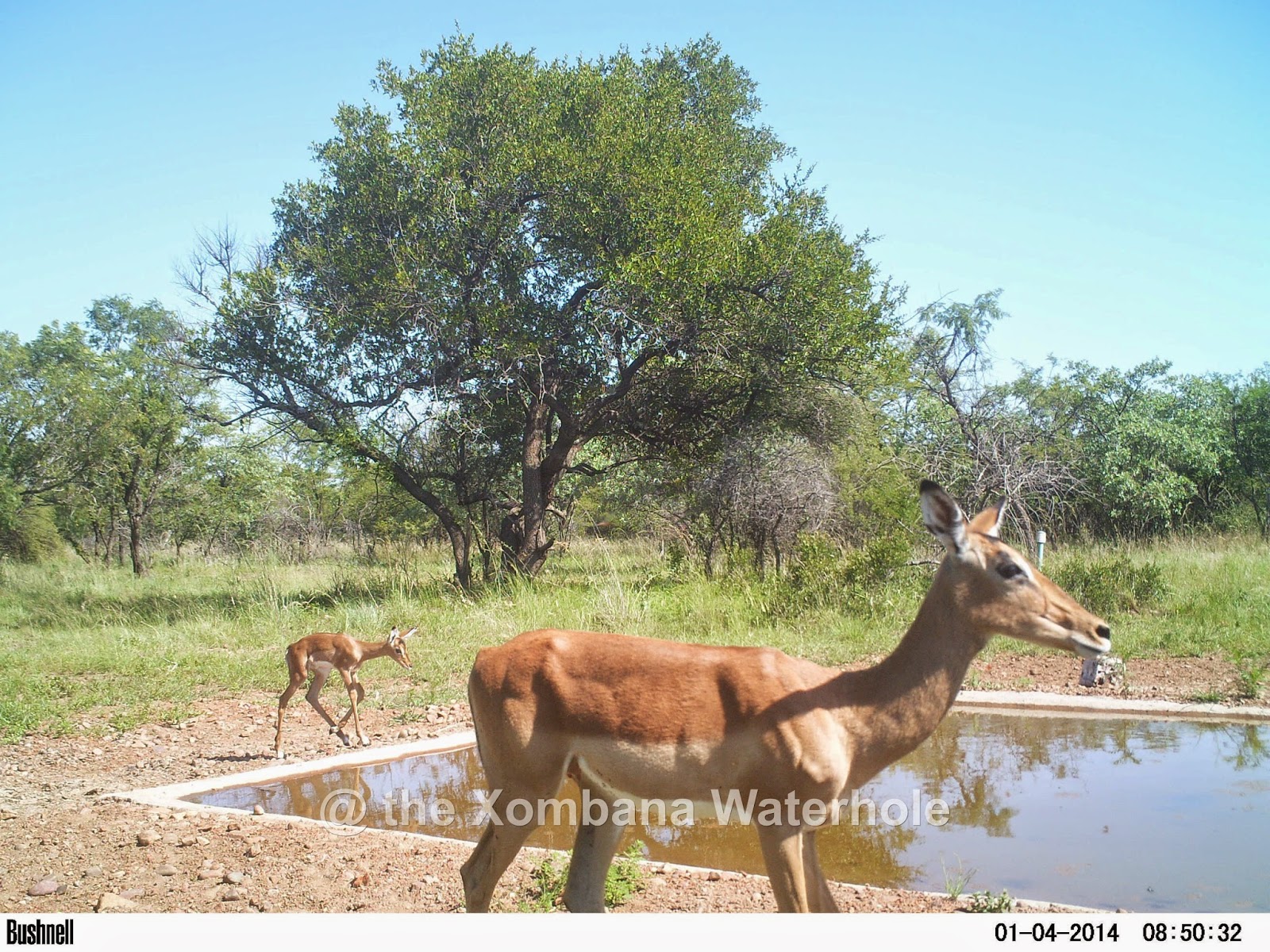
Impala with her lamb at the waterhole

Ostrich chicks

Wildebeest calf drinking at the waterhole

Dazzel of Zebra at the waterhole


Giraffe cow and her giraffeling at the waterhole
.... beginning of a life

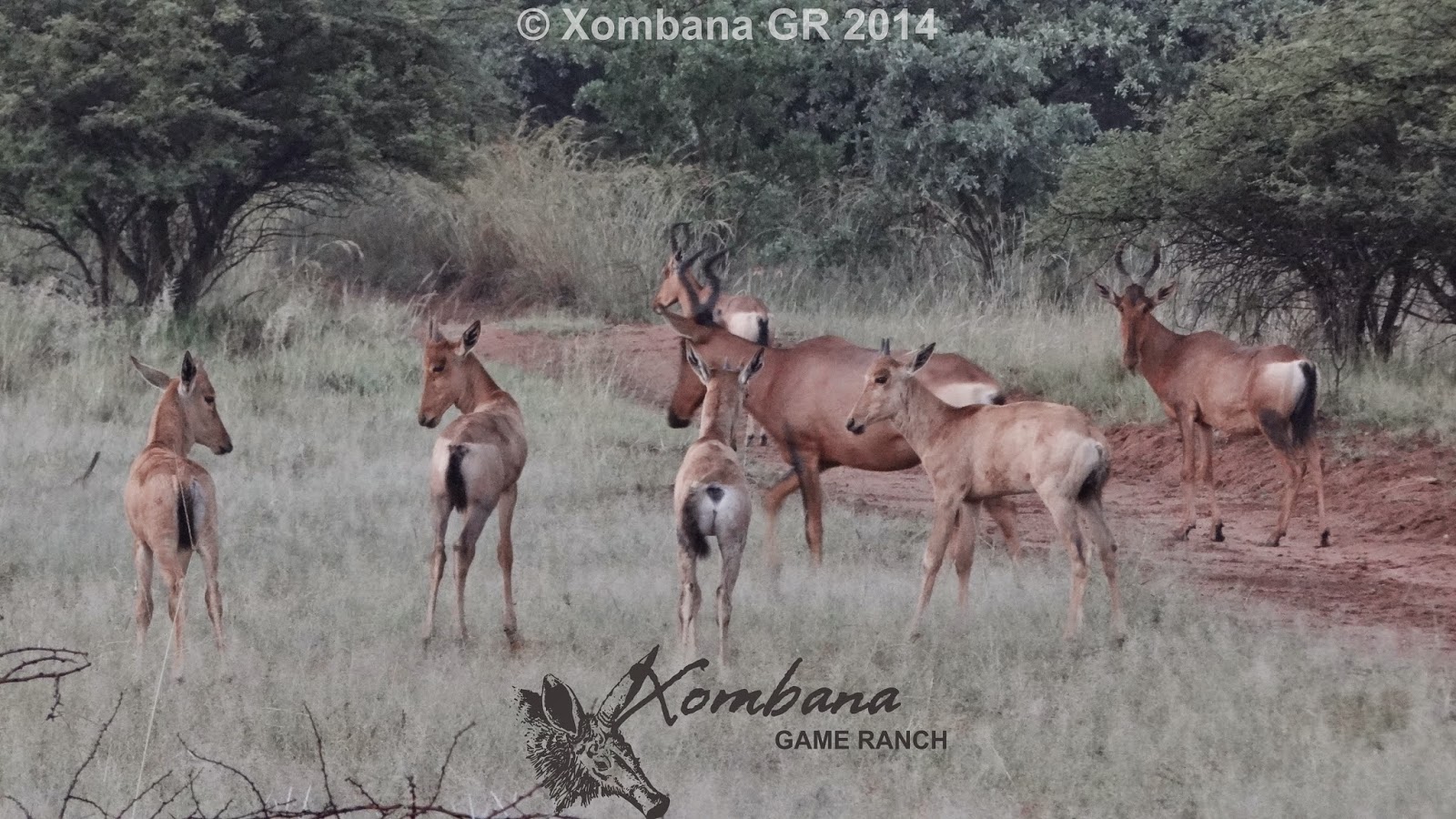
Red Hartebeest calves

Impala Lambs

Groundscraper Thrush chick


Amethyst Sunbird female in the nest


Wildebeest taking care of her young calf

Wildebeest Calf

Zebra Mare & her foal

Warthog Piglet

Cheetah Cub

Zebra Foal

Impala Lamb